
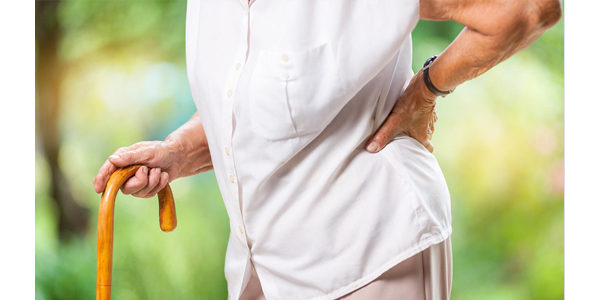
Understanding Bone Health For Seniors
While bone loss is a natural part of ageing, understanding the key risk factors and taking proactive steps can significantly protect your bone health. Taking charge of your bone health today can prevent painful fractures and maintain your independence for years to come. 1. The Natural Aging Process After age 50, our bodies break down bone faster than they can rebuild it. This imbalance accelerates over time, making bones progressively weaker and more prone to fractures. Women experience particularly rapid bone loss in the years following menopause, potentially losing up to 20% of their bone density during this critical period. What You Can Do: While you can't stop aging, you can slow bone loss through regular weight-bearing exercise like walking, dancing, or tai chi. These activities signal your body to maintain bone strength. Resistance training with light weights or resistance bands is equally important for building both bone and muscle. 2. Hormonal Changes Estrogen plays a vital role in protecting bone density. When estrogen levels drop during menopause, women face dramatically increased bone loss. Men also experience gradual testosterone decline, which similarly affects bone health, though more slowly. What You Can Do: Talk to your doctor about bone density screening, especially if you're a woman past menopause or a man over 70. In some cases, hormone therapy or bone-strengthening medications may be appropriate. Regular monitoring helps catch problems early when they're most treatable. 3. Nutritional Deficiencies Many seniors don't get enough calcium and vitamin D—the building blocks of strong bones. Your body needs 1,000-1,200 mg of calcium daily, along with adequate vitamin D to absorb it. Unfortunately, aging skin produces less vitamin D from sunlight, and dietary intake often falls short. What You Can Do: Include calcium-rich foods like dairy products, leafy greens, and fortified foods in your daily diet. Spend time outdoors for natural vitamin D, and consider supplements after consulting your doctor. Most seniors benefit from 800-1,000 IU of vitamin D daily. Regular blood tests can check if your levels are adequate.